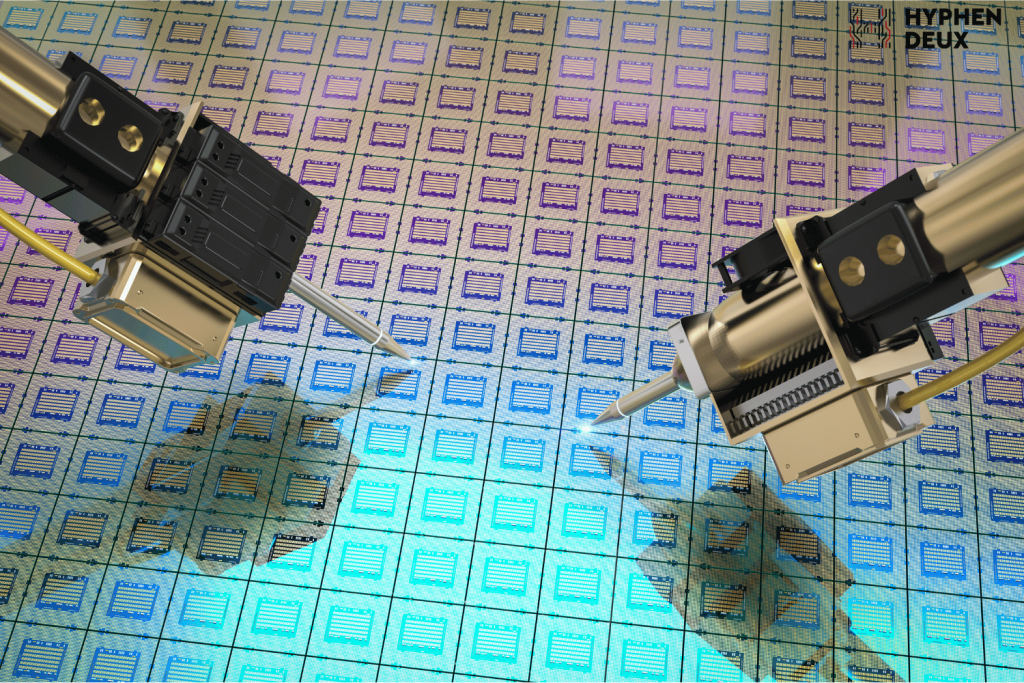
The semiconductor manufacturing process is a highly intricate series of steps that transform raw materials into advanced electronic devices. This journey typically encompasses six major stages: wafer fabrication, patterning, doping, deposition, etching, and wafer assembly, testing, packaging (ATP). Each phase brings its own set of unique challenges but also presents substantial opportunities for innovation, cost reduction, and scalability. In an industry where progress is driven by efficiency and precision, overcoming these challenges can lead to significant growth and technological breakthroughs that have the potential to reshape industries worldwide.
Manufacturing Process Overview: The Path from Wafer to Device
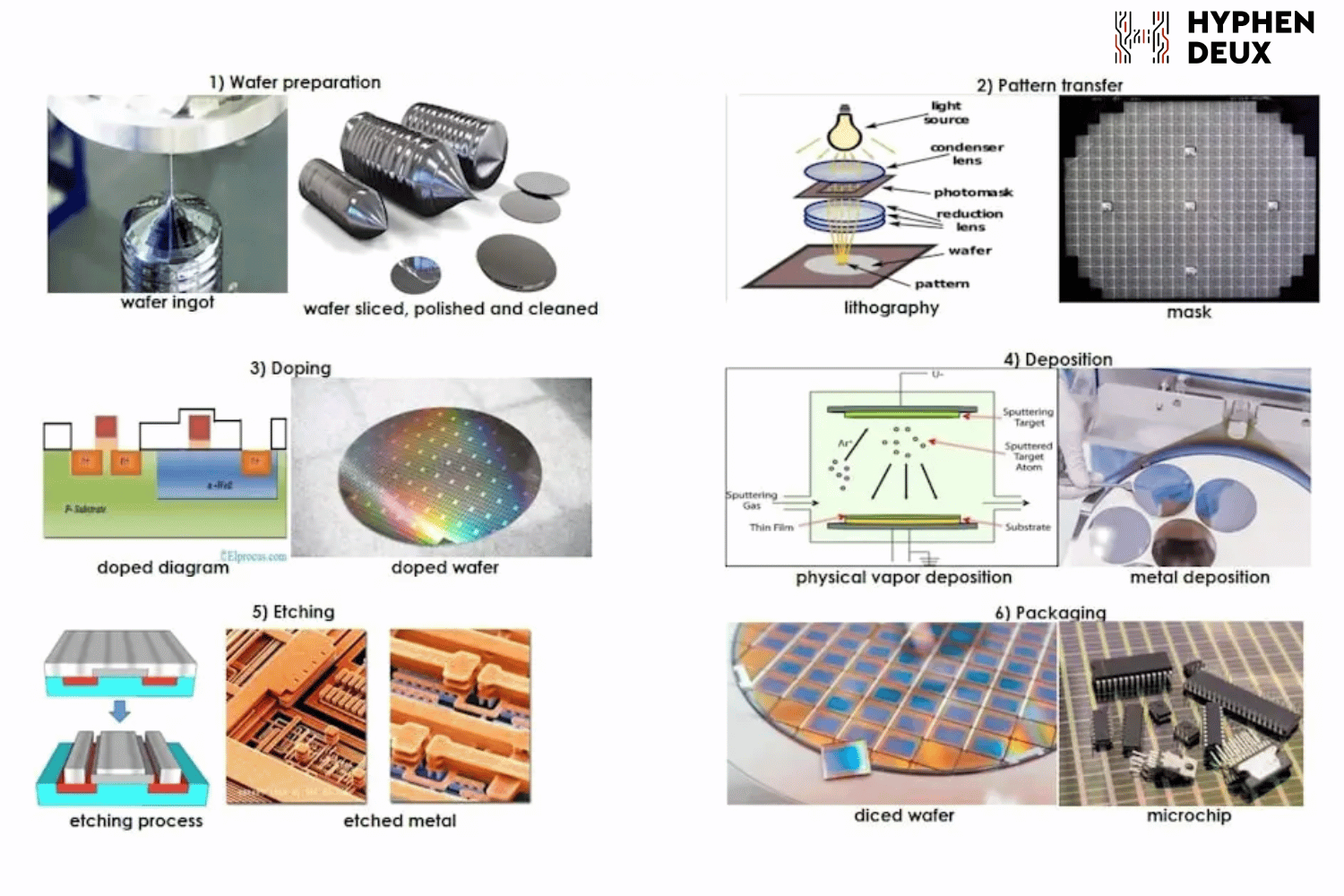
Major processes in semiconductor manufacturing
Major processes in semiconductor wafer fabrication: 1) wafer preparation, 2) pattern transfer, 3) doping, 4) deposition, 5) etching, and 6) packaging.
The semiconductor manufacturing process can be broken down into several essential steps. Each stage demands a high level of precision and advanced technological solutions:
1. Wafer Preparation
The journey begins with the selection of a silicon wafer, the foundational material for semiconductor devices. This wafer undergoes meticulous cleaning and polishing to create an ideal substrate for electronic components. The quality of this initial preparation directly impacts the subsequent stages of the process.
2. Patterning
Photolithography, the critical patterning stage, is where the design of the semiconductor is transferred onto the wafer. This involves applying a thin layer of photoresist and using ultraviolet light to transfer the pattern onto the wafer. The ability to etch smaller, more intricate patterns defines the cutting-edge of semiconductor advancements, driving innovation in electronic design.
3. Doping
Doping involves adding impurities to the silicon wafer, enhancing its electrical properties. Techniques such as ion implantation inject materials like boron or phosphorus into the wafer, creating p-type or n-type semiconductors. Precision in doping is crucial for achieving the desired performance of the electronic components.
4. Deposition
In this phase, thin films of material are applied to the wafer to form electronic components. Techniques such as chemical vapor deposition (CVD), physical vapor deposition (PVD), and atomic layer deposition (ALD) enable the deposition of various materials (metals, oxides, and nitrides), ensuring that each component is built to specification.
5. Etching
After deposition, etching removes unnecessary material to create the desired component structure. Wet, dry, and plasma etching techniques are used depending on the required precision and the nature of the material. This step is critical for shaping the micro-level architecture of the device.
6. Packaging
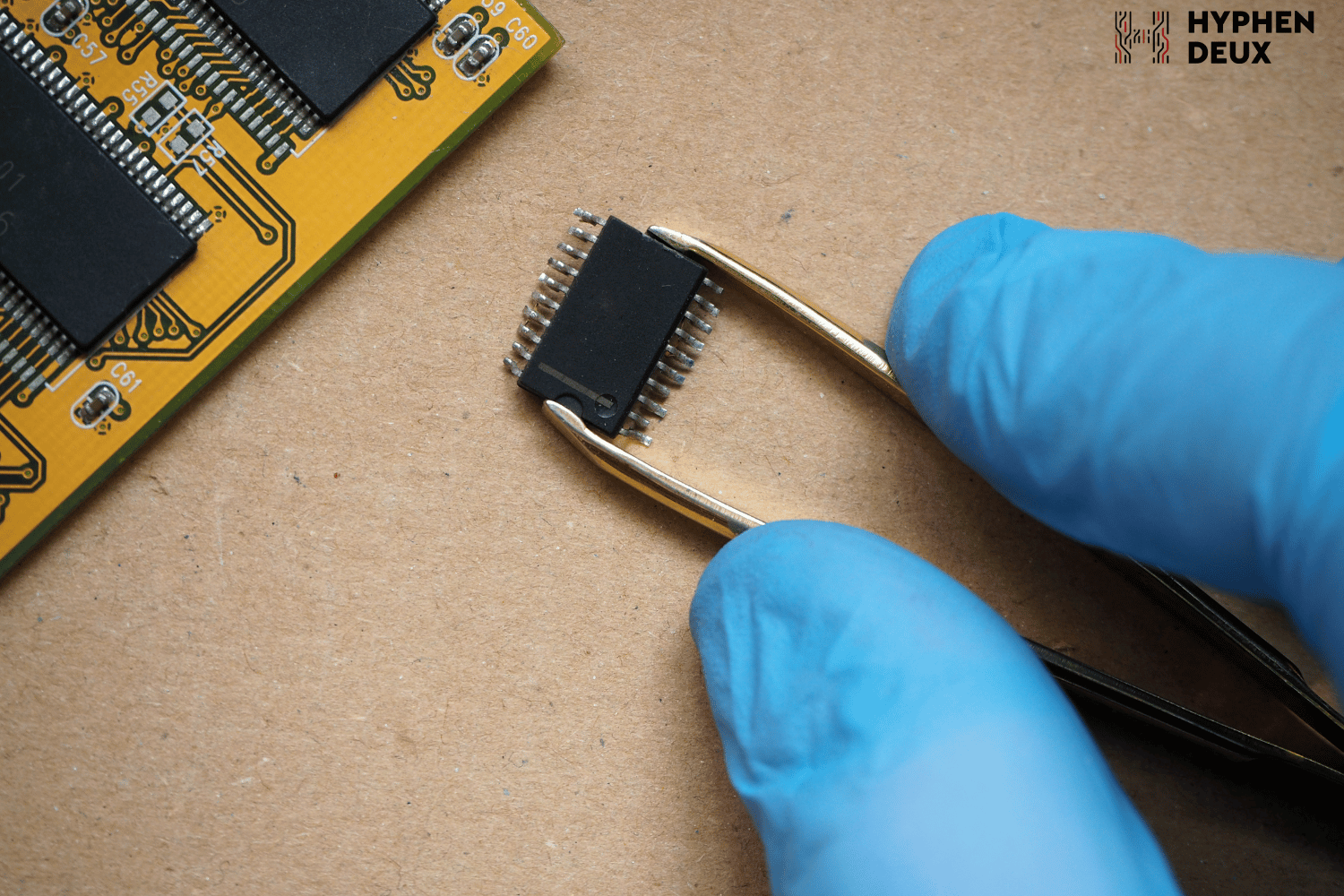
Once the components are formed, packaging secures them in a functional and protective structure. This step involves attaching components to a substrate and creating connections using wires or other methods. Effective packaging is critical for ensuring the functionality, durability, and longevity of the device in real-world applications.
Overall, from wafer creation to final packaging, the entire process can span several weeks or even months. Each step is highly sophisticated, requiring advanced equipment, materials, and expertise to ensure that the final product meets the stringent standards of performance and reliability.
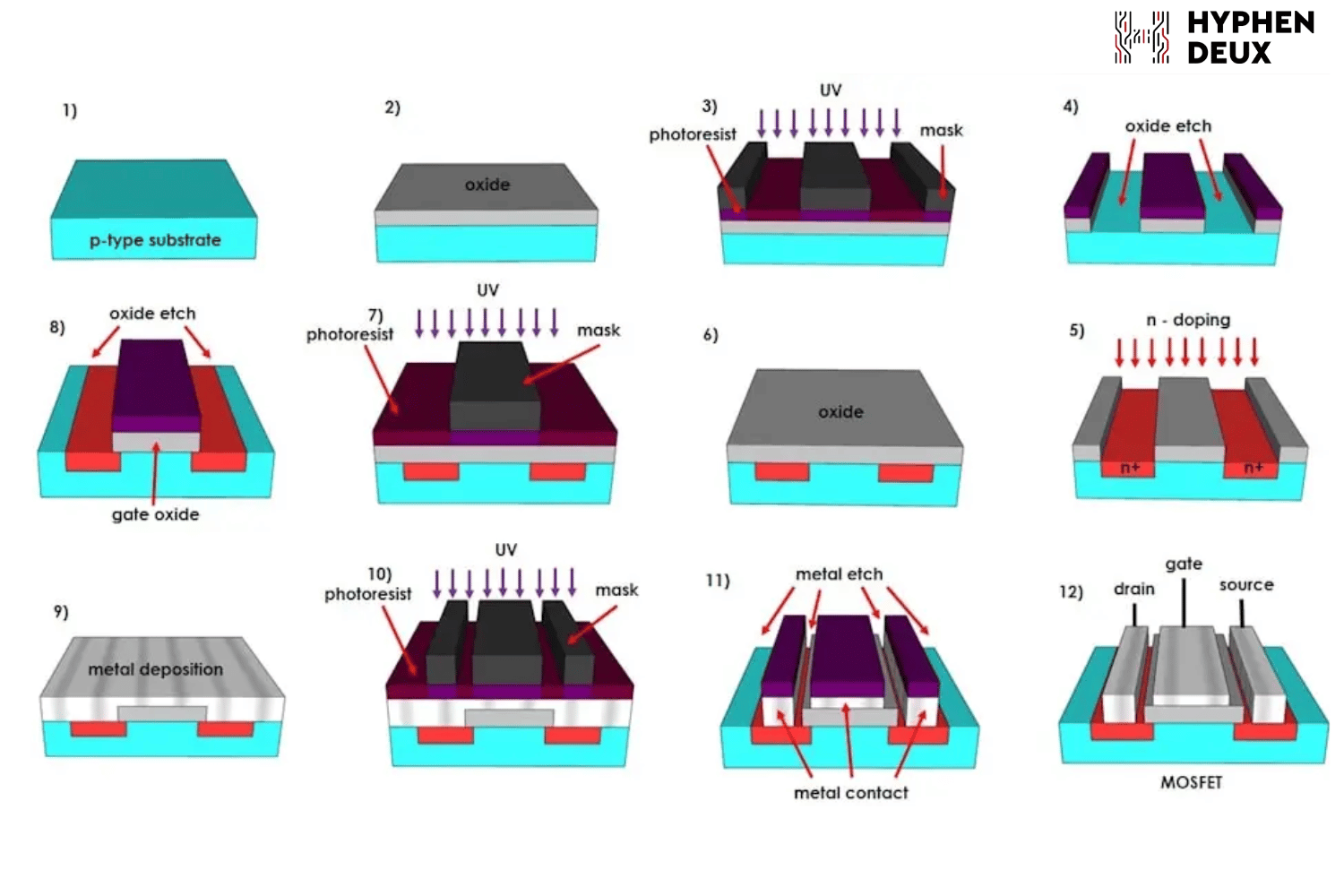
Schematic summary of the major processing steps in the fabrication of a semiconductor device: 1) p-type substrate wafer, 2) thermal oxidation, 3) photolithography, 4) oxide etching, 5) n+ ion implantation, 6) thermal oxidation, 7) gate photolithography, 8) gate oxide etching, 9) metal deposition, 10) metal contact photolithography, 11) metal etching, and 12) final device.
Trends and Innovations in Semiconductor Manufacturing
The semiconductor industry thrives on constant technological advancements, particularly in core processes like pattern transfer, doping, deposition, etching, and packaging. These developments not only address key challenges but also create opportunities for enhanced performance, smaller device sizes, and more efficient production methods.
1. Pattern Transfer: Advancing Lithography
Innovations in lithography, such as extreme ultraviolet (EUV) technology, have been game-changers, allowing the creation of patterns with features as small as a few nanometers. This advancement has fueled the miniaturization of electronic components and is essential for the production of modern microprocessors. Multi-patterning techniques further push the boundaries of precision by creating smaller, more complex patterns than previously achievable.
2. Doping: Precision and Material Innovation
The advent of new materials for doping, such as germanium and arsenic, has expanded the capabilities of semiconductors. Furthermore, the precision of doping techniques, including molecular beam epitaxy (MBE) and CVD, has improved, enabling the creation of more advanced components with optimal electrical properties.
3. Deposition: New Frontiers in Thin Film Technology
Recent breakthroughs in deposition technologies, like metal-organic chemical vapor deposition (MOCVD) and plasma-enhanced techniques, have opened new possibilities for creating highly efficient, high-performance semiconductors. These methods ensure uniform deposition, even on the most complex structures.
4. Etching: Precision and Selectivity
Dry etching techniques such as reactive ion etching (RIE) and plasma etching now offer the precision and control needed for today’s advanced devices. These methods enable the creation of fine features while minimizing damage to adjacent structures, an essential factor in creating high-density integrated circuits.
5. Packaging: Smaller, Faster, and More Efficient
Packaging innovations like 3D stacking, fan-out packaging, and System-in-Package (SiP) are revolutionizing semiconductor design. These methods offer significant advantages, including reduced size, improved performance, and lower power consumption—critical factors in industries ranging from consumer electronics to automotive systems.
 Navigating Challenges, Embracing Growth
 Navigating Challenges, Embracing Growth
The semiconductor manufacturing industry is in a constant state of evolution, driven by increasing demand for smaller, faster, and more efficient devices. While the complexity and costs associated with manufacturing are ongoing challenges, advancements in technology present boundless opportunities for growth. As manufacturers continue to push the limits of what is possible, the industry will be a driving force behind innovations that redefine the way we live and work.
By embracing cutting-edge technologies and optimizing production processes, semiconductor companies stand at the forefront of the next wave of technological transformation—one that holds promise not just for electronics but for industries worldwide, from healthcare to automotive to industrial automation.
About Hyphen Deux
Introducing Hyphen Deux, a cutting-edge startup leading semiconductor progress in Vietnam! We’re the leading fabless design house in Vietnam with a highly experienced international team doing any mixed-signal, digital, embedded, or microcontroller chipset designs to deliver silicon solutions to our customers.
Hyphen Deux is ready to support the development process from concept to ASIC (Application-specific integrated circuit) at any stage and in every inch of specification capture, design, layout, verification and integration, manufacturing, and logistics. Developing MCU (Microcontroller), AI processor, and Healthcare Software, changing the game in the ASEAN semiconductor market.
Source: Semiconductor Engineering
 Pros:
Pros: Pros:
Pros:

![[Webinar] 2025 Semiconductor Supply Chain Outlook](https://hyphendeux.com/wp-content/uploads/2024/08/Picture-for-website-3-1024x683.png)
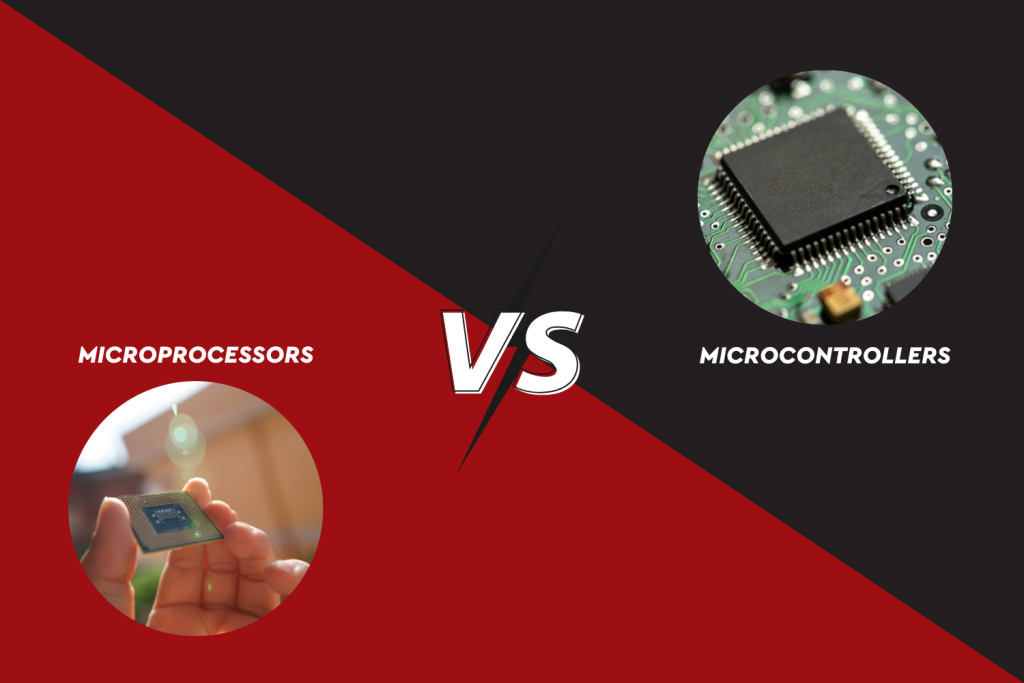
 Microcontroller: The Body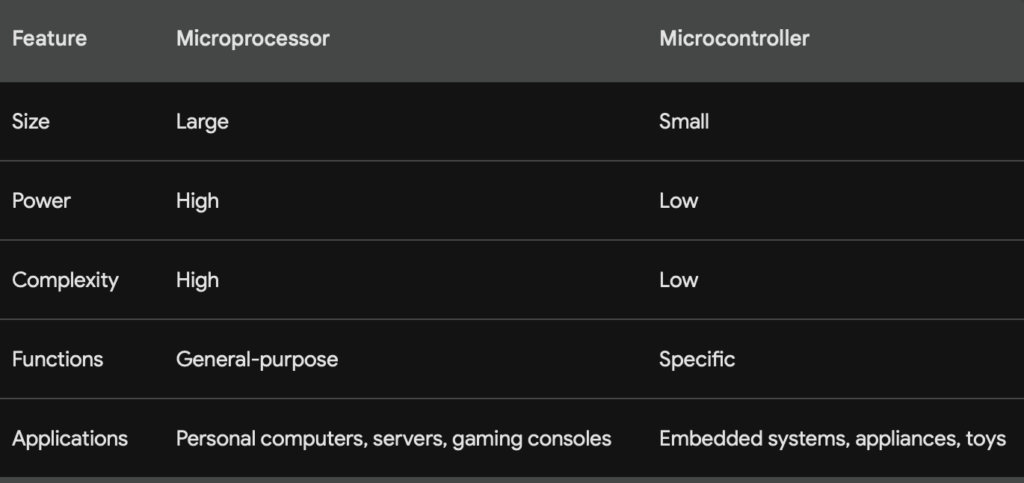


 2. Chuyên Gia An Ninh Mạng và Hacker Mũ Trắng (Ethical Hackers)
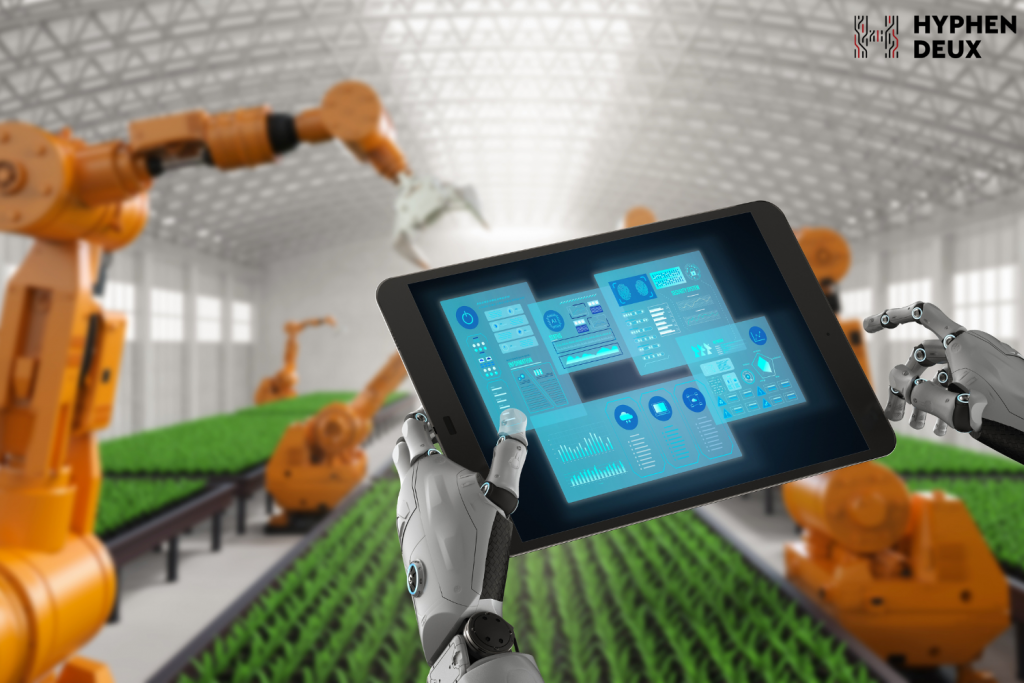
 9. Chuyên Gia Internet of Things (IoT)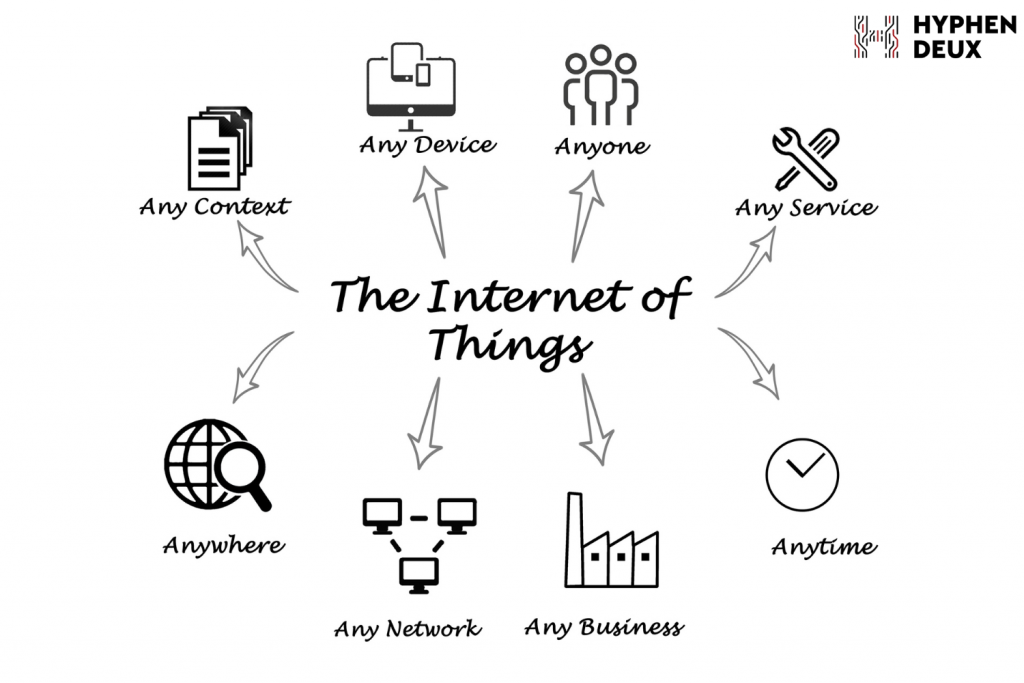

 Công nghệ thiết bị đeo được phát triển để thực hiện thu thập dữ liệu đi kèm tính năng tiết kiệm năng lượng. Từ dây đeo thể dục đo nhịp tim và calo đến đồng hồ thông minh cung cấp cảnh báo thời gian thực, thiết bị đeo tay hiện nay tích hợp các tính năng nâng cao như theo dõi huyết áp và đo điện tâm đồ (ECG), tăng cường theo dõi sức khỏe và trải nghiệm người dùng tổng thể.
 Các thành phố thông minh đang thay đổi cuộc sống đô thị thông qua các hệ thống giao thông tối ưu và các dịch vụ nâng cao. Các ứng dụng IoT bao gồm giám sát thông minh để đảm bảo an toàn không gian công cộng, giao thông tự động nhằm tăng hiệu quả di chuyển và quản lý năng lượng để đảm bảo bền vững. Các hệ thống quản lý chất thải và giám sát môi trường góp phần tạo ra môi trường đô thị sạch và bền vững hơn.
 IoT công nghiệp
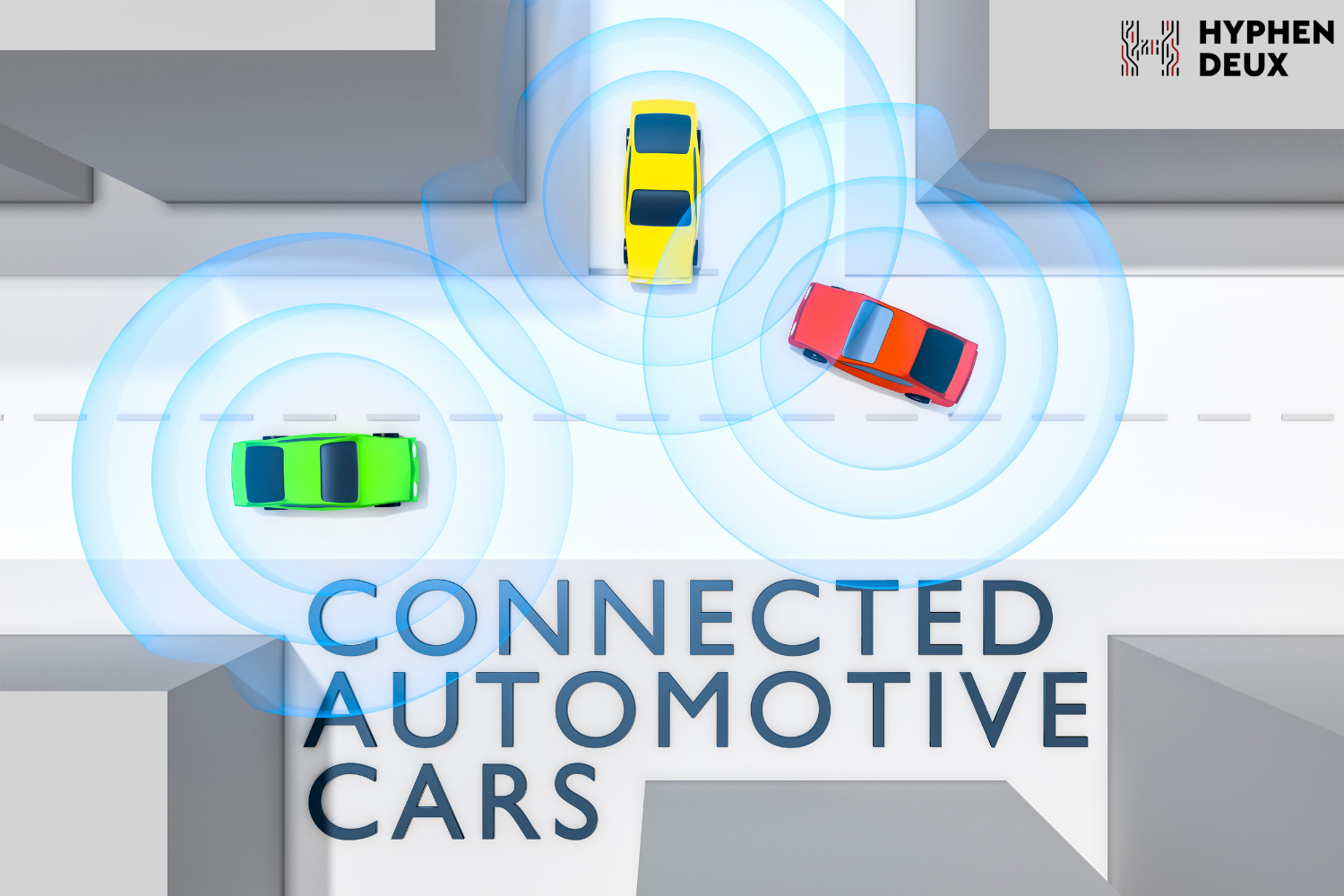 Ngành công nghiệp ô tô đang nhanh chóng chuyển đổi với sự ra mắt các dòng xe kết nối cung cấp sự an toàn và kết nối nâng cao. Các tính năng bao gồm cảnh báo thời gian thực cho tài xế, giải trí trong xe và khả năng lái xe tự động, biến việc lái xe trở nên an toàn và thú vị hơn. Sự tích hợp của IoT trong các xe kết nối còn đóng góp vào quản lý giao thông thông qua giao tiếp giữa các phương tiện (V2V).
 IoT đang ảnh hưởng tích cực đến chăm sóc bệnh nhân với vai trò giám sát liên tục và cảnh báo tự động. Thiết bị đeo tay, thiết bị IoT và giường thông minh được trang bị cảm biến nâng cao cung cấp thông tin sức khỏe theo thời gian thực và tạo điều kiện truy cập dễ dàng vào lịch sử bệnh nhân. IoT trong chăm sóc sức khỏe còn mở rộng đến giám sát bệnh nhân từ xa, y học từ xa và các thiết bị y tế hỗ trợ IoT như máy bơm insulin và máy tạo nhịp tim.
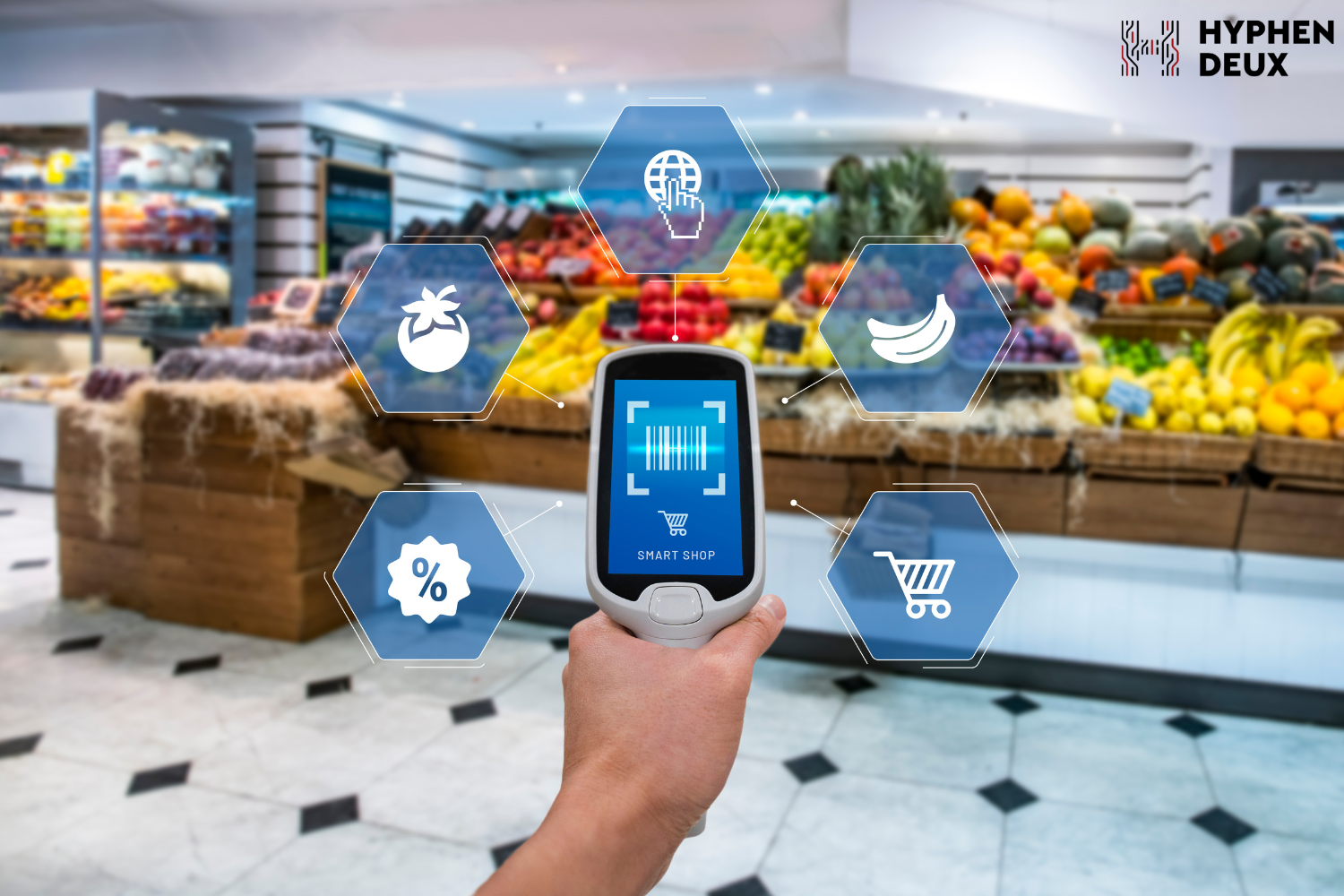 Trải nghiệm bán lẻ được nâng cao với các ứng dụng IoT, cung cấp thanh toán nhanh chóng và hiệu quả tại cửa hàng. Công nghệ RFID đọc thẻ sản phẩm, tạo điều kiện cho các giao dịch liền mạch, và hệ thống beacon tăng cường sự tương tác của khách hàng bằng cách cung cấp các ưu đãi cá nhân hóa dựa trên vị trí. Các hệ thống quản lý kho hàng tiên tiến sử dụng IoT giúp giảm thiếu hàng tồn và tối ưu hóa chuỗi cung ứng cho các nhà bán lẻ.
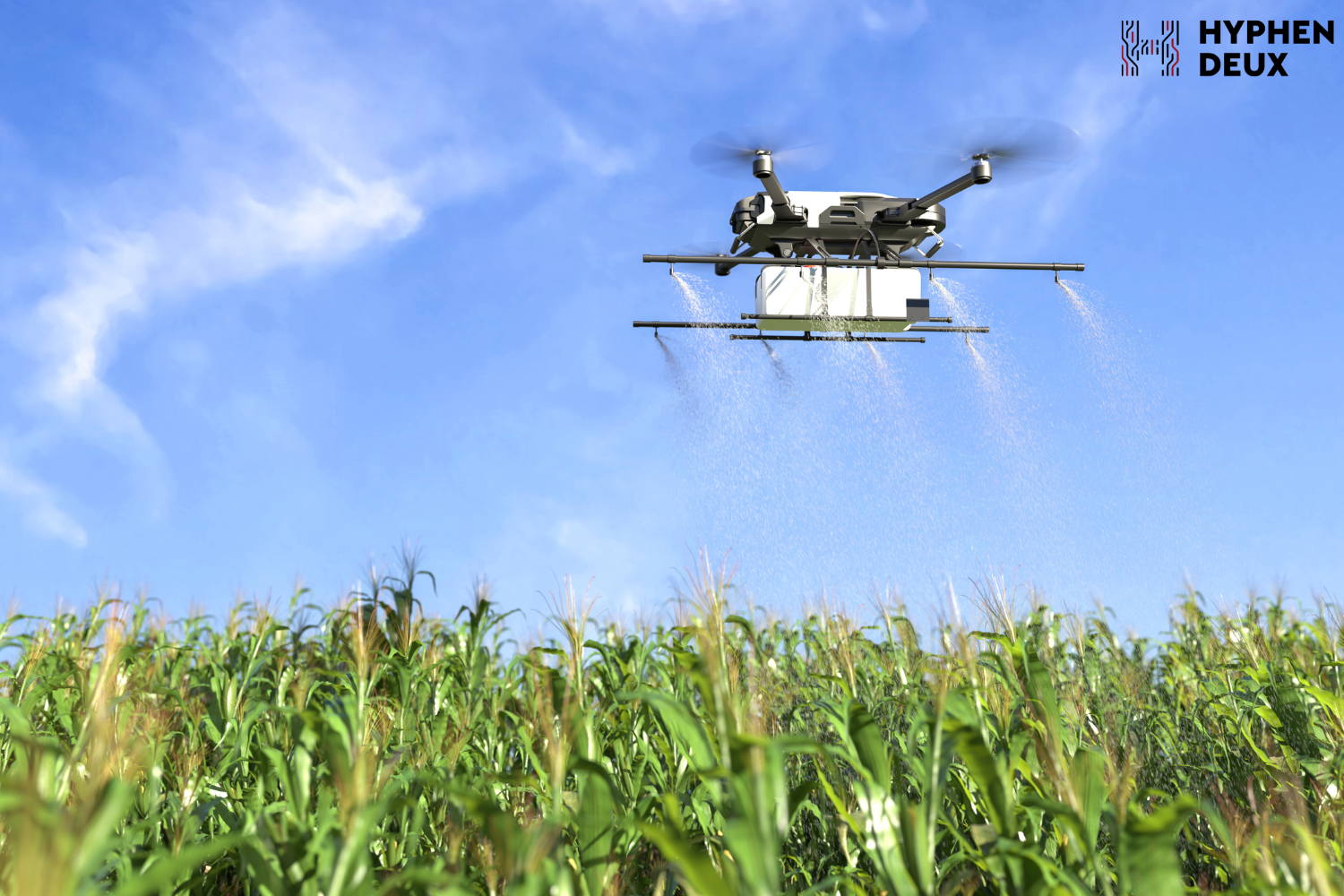 IoT giúp nông dân có những quyết định dựa trên dữ liệu để cải thiện năng suất. Giám sát tình trạng đất, phân tích dữ liệu thời tiết và công nghệ canh tác thông minh nâng cao sản lượng cây trồng bằng cách cung cấp thông tin về kế hoạch tưới tiêu, thời gian trồng tối ưu và phòng ngừa dịch bệnh. Máy bay không người lái được trang bị cảm biến IoT đóng góp vào nông nghiệp chính xác, cho phép nông dân giám sát các cánh đồng lớn hiệu quả hơn.