Hyphen Deux Showcases at Vietnam Innovation Day 2026
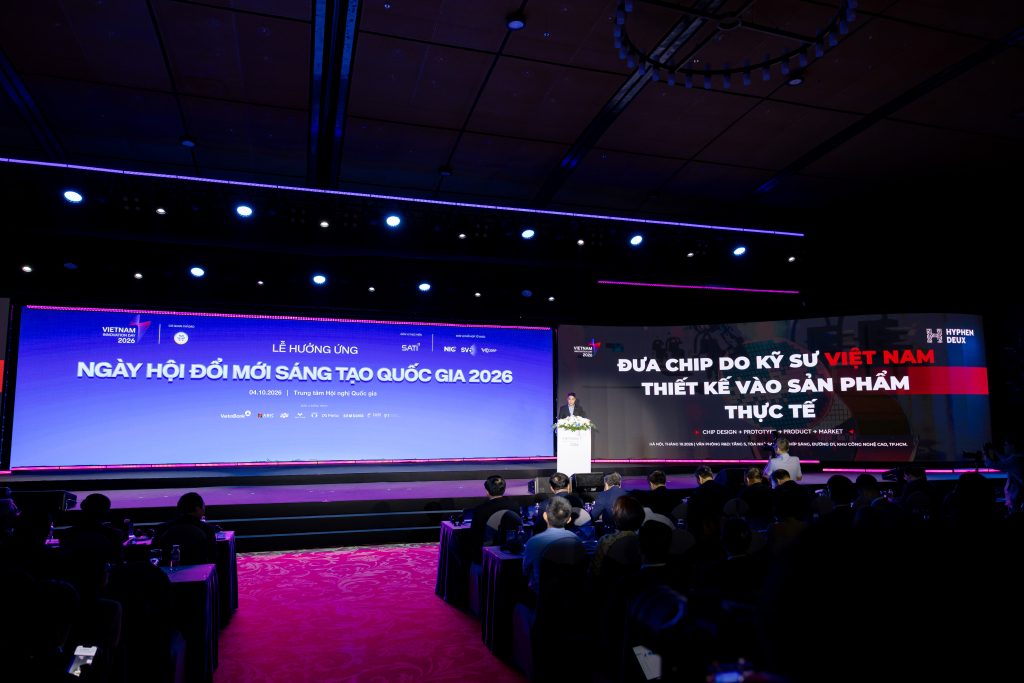
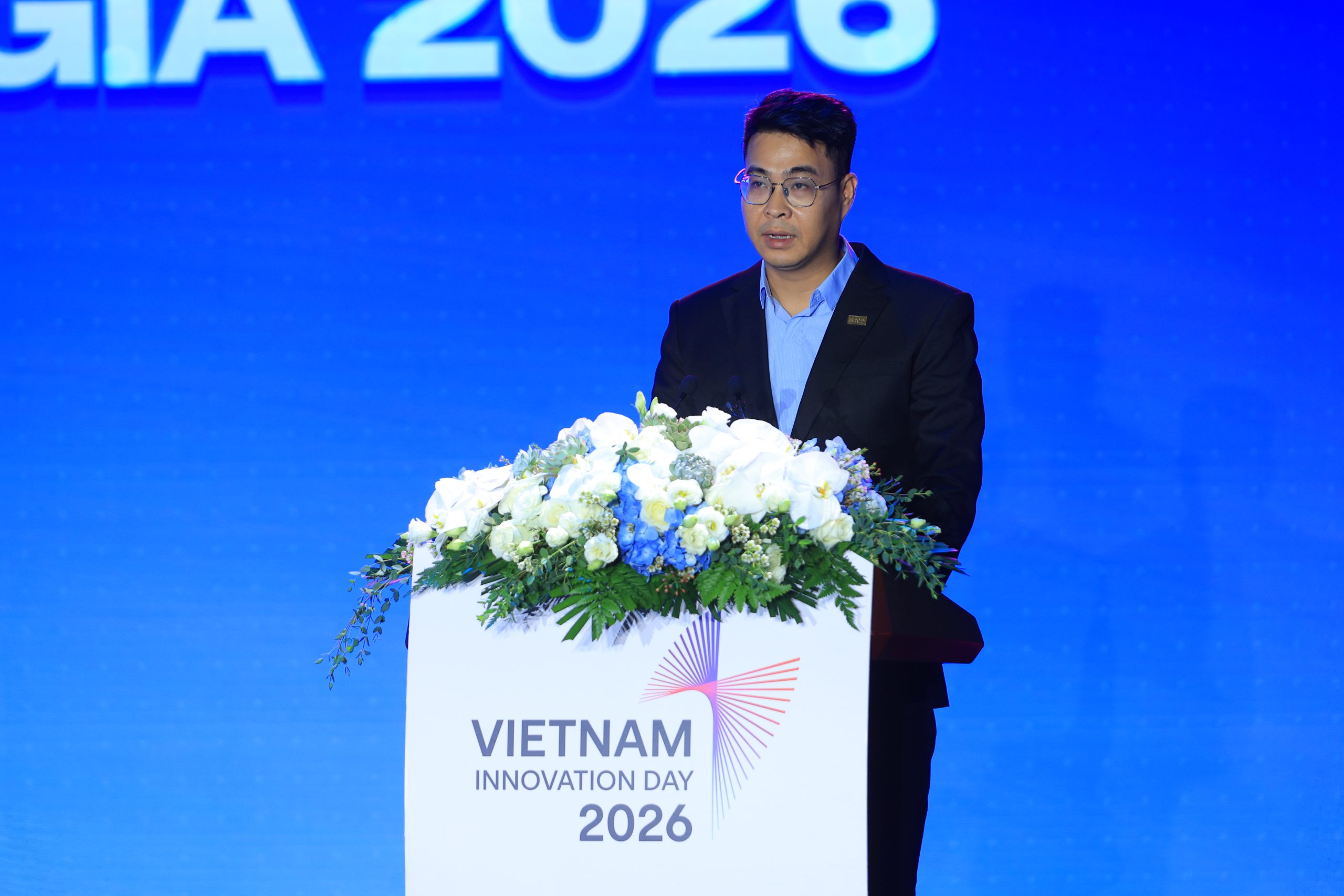
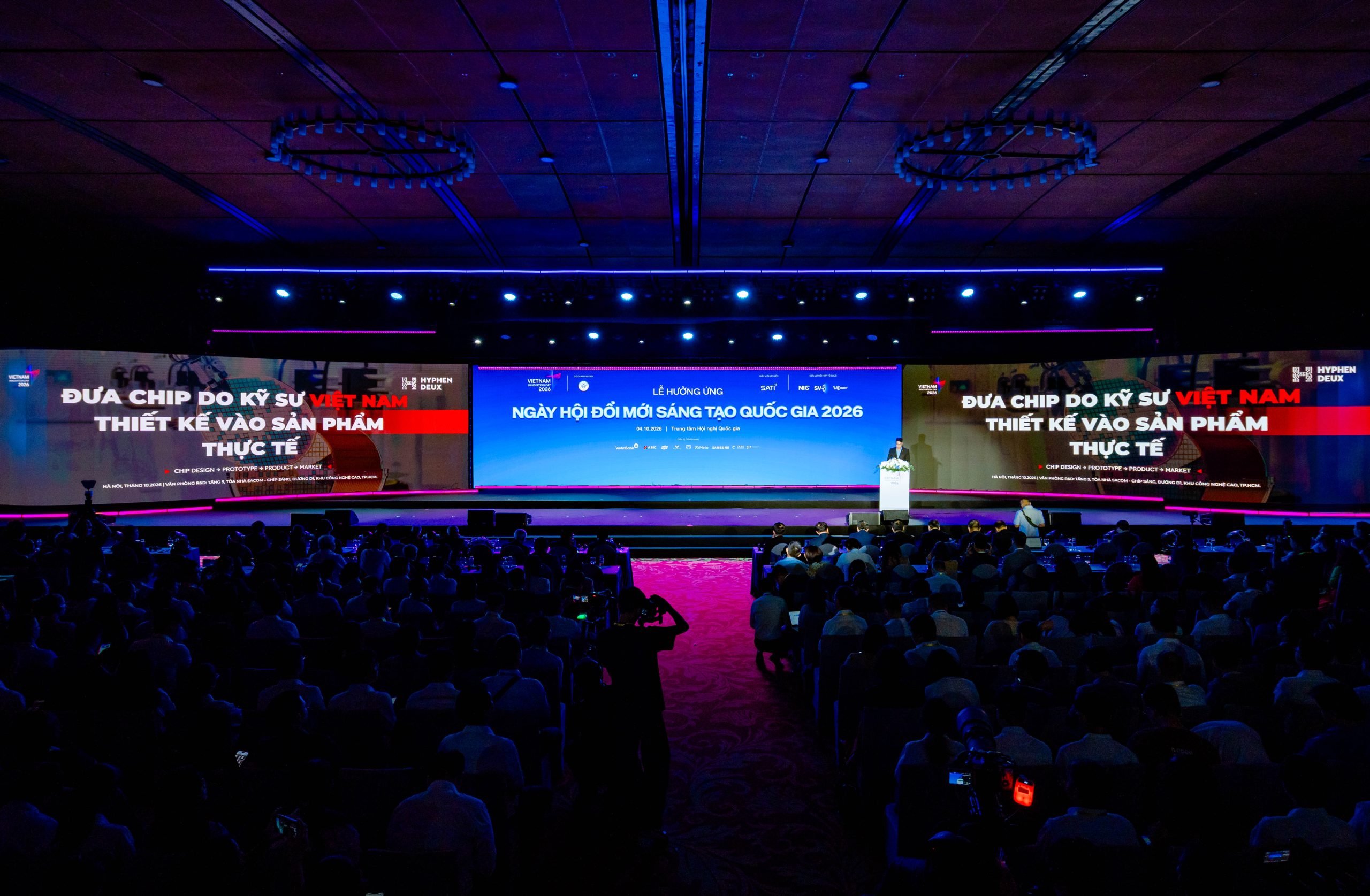
At the Vietnam Innovation Day 2026 celebration in Hanoi, representatives of Hyphen Deux shared the company’s perspective on bringing chips designed by Vietnamese engineers into real-world products. Under the theme “Bringing Vietnamese-Designed Chips into Real-World Products,” the presentation highlighted the importance of technology commercialization in driving the sustainable development of Vietnam’s semiconductor industry.
From Chip Design to Real-World Applications
In the semiconductor industry, successfully designing a chip is an important milestone, but it is not the final destination. To create real value, a chip must progress through multiple stages, including fabrication, packaging, testing, hardware integration, software development, and validation under real operating conditions. From a business perspective, innovation is measured not only by research achievements or technical milestones, but also by the ability to transform technology into products that meet market needs.
 For customers, selecting a semiconductor component involves more than evaluating technical specifications. Reliability, technical documentation, software ecosystems, technical support, and long-term supply continuity are also critical factors in determining whether a chip can be adopted in commercial products.
Therefore, the development of Vietnamese-designed chips must be viewed as an end-to-end journey, from design and integration to testing and commercialization.
HDx32U: Designed for Industrial and IoT Applications
One of Hyphen Deux’s key development priorities is to bring HDx32U , the company’s microcontroller, closer to real-world applications. HDx32U targets applications in industrial systems, automation, and the Internet of Things (IoT), where performance, reliability, integration capabilities, and cost optimization are essential.
To achieve this goal, Hyphen Deux is focused on continuously refining the product, developing its hardware and software ecosystem, and advancing integration and testing across practical applications. Feedback from partners and customers also provides valuable insights for further product improvements and better alignment with application requirements.
The objective is not simply to develop a chip designed by Vietnamese engineers, but to enable the technology to be adopted in actual products and deliver tangible value to businesses and end users.
Strengthening Vietnam’s Semiconductor Ecosystem
Bringing a chip from design to market requires more than the efforts of an individual company. It depends on collaboration among chip design companies, research institutions, fabrication partners, packaging and testing providers, and businesses seeking to integrate semiconductor components into their products.
In addition, technical infrastructure, experienced engineering teams, long-term investment, and appropriate support mechanisms are essential to bridging the gap between research and commercialization.
 In particular, connecting technology companies with customers from the early testing stages helps ensure that semiconductor products are developed in line with market needs. It also creates opportunities for Vietnamese technologies to participate actively more in global value chains.
Bringing Vietnamese-Designed Chips into Real-World Products: A Long-Term Commitment
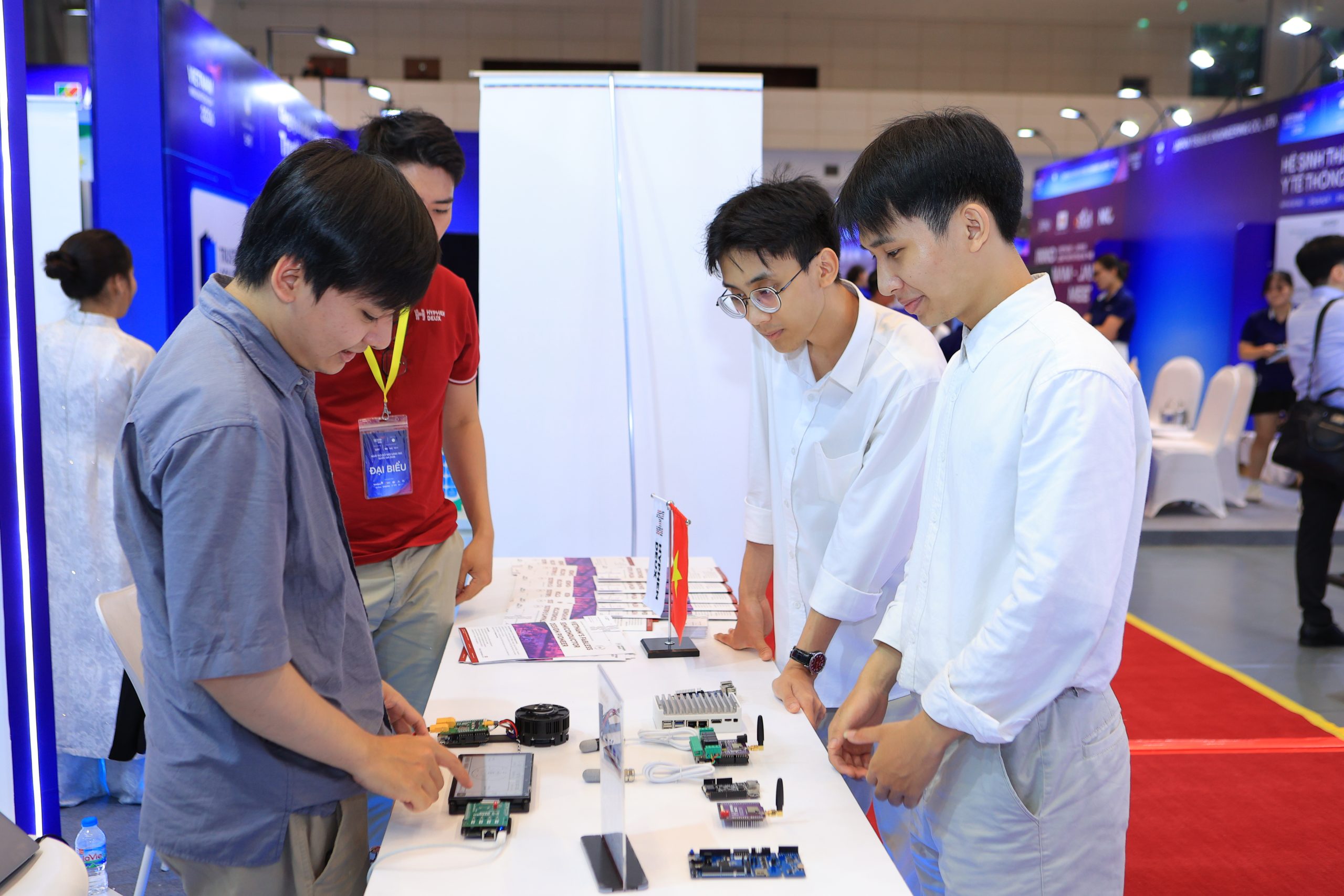
Alongside its presentation, Hyphen Deux showcased the HDx32U microcontroller, its development board (DevKit), and application demonstrations built on the HDx32U platform. These exhibits highlighted the chip design capabilities of Vietnamese engineers and demonstrated the potential applications of HDx32U in industrial systems, IoT, and automation.
Through the development of HDx32U and its progressive adoption in practical applications, Hyphen Deux aims to contribute to Vietnam’s capabilities in chip design, development, and commercialization, while expanding collaboration opportunities with partners across the semiconductor ecosystem. Hyphen Deux believes that the success of Vietnam’s semiconductor industry lies not only in designing and manufacturing a chip, but also in integrating it into products, meeting market needs, and creating tangible value.
This approach is essential to transforming research and design capabilities into economic value, strengthening domestic technological capabilities, and advancing Vietnam’s semiconductor ecosystem toward deeper integration into global value chains.